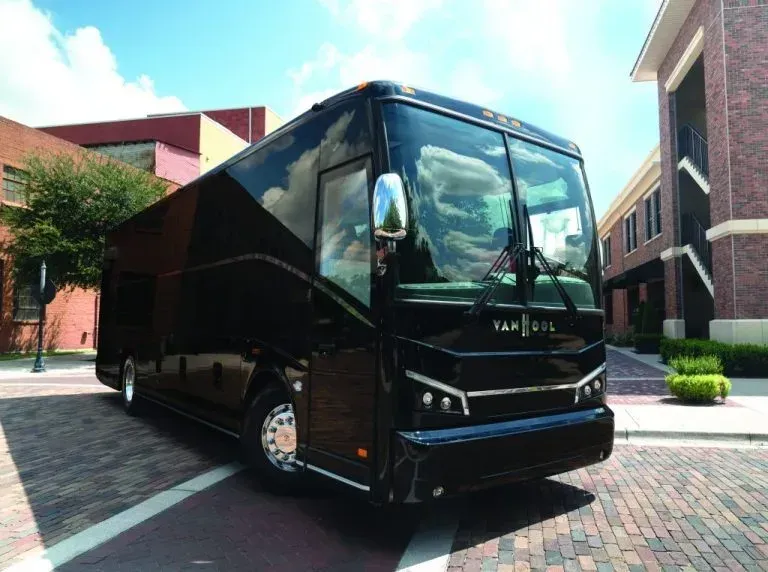
Managing transportation for a large group can rapidly become a complicated undertaking when numerous schedules, pickup plans, and travel expectations must be considered. Whether the event involves business gatherings, family functions, group activities, or special occasions, achieving timely arrivals for everyone calls for careful planning. A properly planned transportation approach helps minimize confusion, decrease delays, and provide a more enjoyable experience for all participants. By recognizing the essential aspects of group transportation management, organizers can develop a smooth travel experience from start to finish.
When large groups travel together, transportation becomes more than simply moving passengers from one location to another. It contributes meaningfully to the success of the overall experience. Thoughtful planning helps support schedules, facilitate communication among passengers, and promote a smoother journey. At A1 Quality Express Limousine, we appreciate the importance of delivering organized transportation arrangements that support convenient and reliable group travel.
Initiate Transportation Planning Well Before the Event
Reliable group transportation starts with thoughtful preparation ahead of time. Late planning can reduce transportation choices and make it more difficult to satisfy group requirements. Transportation planning should begin with confirming passenger totals, travel timelines, expected departure schedules, and destination requirements. Securing these details ahead of time helps build an effective transportation strategy that supports the overall schedule.
Advance planning also allows time to identify potential challenges before they become problems. Event schedules, transportation logistics, accessibility considerations, and roadway conditions all play a role in shaping transportation plans. Addressing these factors in advance helps organizers establish a transportation plan that supports smooth movement. Thorough preparation often results in smoother travel experiences and fewer unexpected disruptions.
Determine the Exact Size and Needs of the Group
A critical transportation planning task is evaluating the number of participants and their specific requirements. Correct passenger totals help planners choose suitable vehicles while avoiding capacity-related issues. Coordinators should establish participant counts promptly and keep them updated throughout the planning process.
Beyond simply counting travelers, it is essential to understand individual requirements within the group. Travelers may have varying requirements, including extra luggage space or specialized support services. Understanding these details allows transportation arrangements to be customized accordingly. Carefully gathering complete information contributes to a more efficient and enjoyable travel experience for all participants.
Design a Well-Organized Transportation Schedule
A structured transportation timetable acts as a blueprint for all participants. Planners should specify departure schedules, pickup points, travel durations, arrival goals, and any scheduled stops. A precise itinerary reduces ambiguity and helps every participant stay informed about their responsibilities. Clear communication and consistent scheduling are essential for managing large groups effectively.
Communication plays a significant role in making schedules effective. All passengers should be provided with transportation information prior to the event. Sharing more info travel details through various platforms helps keep everyone aligned. Clear expectations help transportation operations function more effectively and smoothly.
Establish Centralized Pickup and Drop-Off Locations
Handling several pickup points can add unnecessary complications to large-group travel. When possible, coordinators should use unified pickup and drop-off points for participant convenience. Centralizing locations helps speed up boarding and minimizes delays caused by frequent stops. This approach improves communication flow and strengthens overall efficiency.
Centralized points allow for easier confirmation of all travelers before departure. Organizers can verify participants, communicate updates, and clarify details before the trip starts. This method supports preparedness and keeps transportation operations on track. Clear designated points strongly support a coordinated travel process.
Prioritize Clear Communication Throughout the Process
Effective communication is one of the most valuable tools in successful transportation coordination. Participants must be kept informed of schedules, instructions, and any adjustments. Reliable information ensures passengers can prepare without uncertainty. Clear communication contributes to smoother operations and happier passengers.
Coordinators should set up consistent communication methods for all updates. Group chats, email updates, and assigned representatives help ensure fast communication. In the middle of any successful transportation plan, communication remains the connecting element that keeps everyone informed and aligned. Regular updates help maintain trust and reduce interruptions during travel.
Anticipate Unforeseen Situations
Even the most organized transportation plans can experience surprises. Unpredictable factors like weather and traffic may require prompt decision-making. Flexible planning allows organizers to manage unforeseen situations effectively. Preparation increases resilience and supports smooth operations even when conditions change.
Contingency strategies should include backup plans, route alternatives, and key decision contacts. Having procedures in place for handling unexpected challenges helps reduce stress and supports a more organized response. Proactive strategies help maintain efficiency during necessary adjustments.
Focus on Passenger Comfort and Convenience
Comfort significantly impacts how passengers experience transportation. Extended group travel makes comfort and convenience key priorities. Proper seating arrangements and organized boarding improve the overall journey atmosphere. When passengers are comfortable, they tend to have a better experience and arrive ready.
Ease of travel contributes significantly to successful coordination. Streamlined boarding, clear guidance, and structured timing minimize issues for travelers. Well-structured transportation lets passengers enjoy the occasion without concern. A comfortable and convenient journey often enhances the overall success of the occasion.
Engage Professional Transportation Specialists
Coordinating transportation for large groups involves many moving parts, making professional support a valuable resource. Experienced teams are skilled in managing logistics and maintaining smooth operations. Their knowledge supports smooth navigation of logistical challenges and ensures reliability.
Experienced teams offer insights that improve planning and execution. Their familiarity with group travel allows them to anticipate challenges and recommend practical solutions. By relying on professional experience, planners can focus on the event while logistics are handled carefully.
Make Transportation an Extension of the Event
Transportation should be viewed as an extension of the event rather than simply a method of travel. Coordinated travel allows guests to start experiencing the event early. Well-managed transport enhances the event atmosphere and experience.
At A1 Quality Express Limousine, we are committed to thoughtful planning, clear communication, and passenger-focused service. Organizing large-group transportation does not need to be overwhelming when proper strategies are applied. Focusing on planning, organization, and comfort ensures a seamless travel experience for any occasion. We take pride in delivering smooth transportation experiences that help every passenger travel confidently and comfortably.